In this article
Formaldehyde is a gas with two reputations: a highly effective preservative and disinfectant, and a classified human carcinogen at sustained inhalation exposures. In cosmetics you will seldom see the word itself. Instead, products are preserved by formaldehyde-releasers — ingredients such as DMDM hydantoin and quaternium-15 that slowly generate small amounts of formaldehyde in the bottle to keep it microbe-free. The realistic cosmetic concerns are contact allergy and the special case of salon hair-smoothing treatments, where heat releases the gas into the air.
What formaldehyde and its releasers are
Formaldehyde-releasers are preservative ingredients designed to solve a dosing problem: a product needs antimicrobial protection for its whole shelf life, so instead of adding free formaldehyde once, formulators add a donor molecule that releases it gradually, in tiny amounts, as a standing defence. The common donors are DMDM hydantoin, imidazolidinyl urea, diazolidinyl urea, quaternium-15, bronopol and sodium hydroxymethylglycinate.
Separately, formaldehyde itself (and methylene glycol, its form in water) has been used in hair-smoothing/straightening treatments and in some nail hardeners — the uses that attract the most regulatory attention.
Where you will find them
- Shampoos, body washes and liquid soaps (DMDM hydantoin is very common)
- Moisturisers, wipes and baby products from some manufacturers
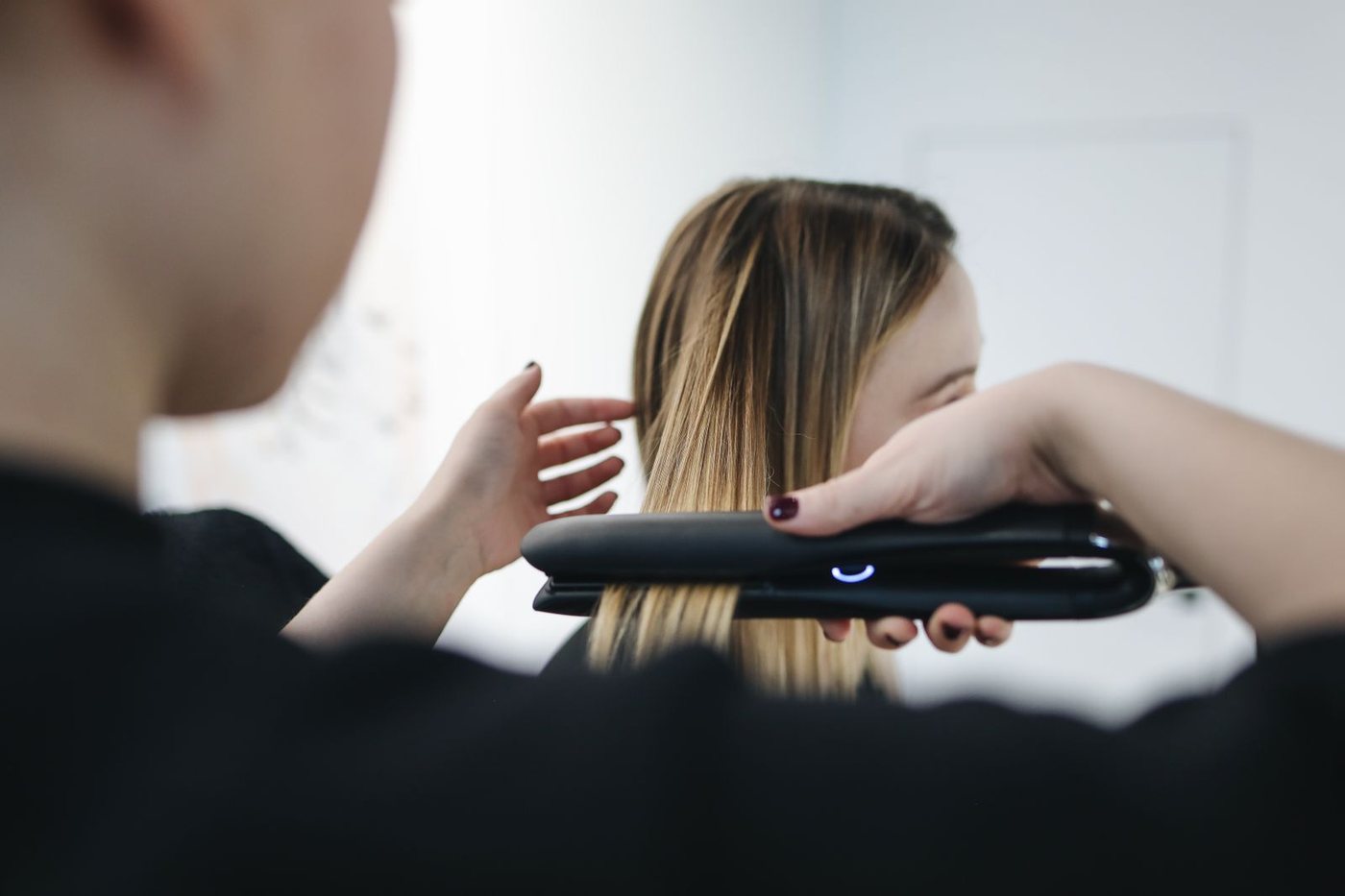
- Salon hair-smoothing ("Brazilian blowout" style) treatments — the inhalation case
- Nail hardeners, where formaldehyde resin or solution strengthens the nail plate
Why people avoid formaldehyde and releasers
Allergy is the main everyday reason. Formaldehyde is a well-established contact allergen, and formaldehyde-releasers can trigger the same allergy because the skin ultimately meets the same molecule. For the sensitised minority, avoiding releasers is not precaution — it is necessity, and it is genuinely difficult because the donor names are unfamiliar.
The cancer classification needs honest context: formaldehyde is classified as carcinogenic to humans (IARC Group 1) based mainly on nasopharyngeal cancer in workers with heavy, sustained inhalation exposure, such as embalmers and industrial workers. That evidence is about breathing concentrated vapour over years — a different scenario from trace preservative amounts in a rinse-off shampoo. The exposure that most concerns regulators in cosmetics is beauticians' breathing zone during heated hair-smoothing services.
What regulators and the evidence say
The FDA's page on hair-smoothing products explains that these treatments can release formaldehyde gas when heated, lists symptoms reported by stylists and clients (eye and respiratory irritation, headaches), and advises checking ingredient lists for formaldehyde, formalin or methylene glycol. The FDA has also proposed a rule to ban formaldehyde in hair-smoothing products in the US. The EU restricts formaldehyde itself, requires "contains formaldehyde" warnings when releasers push total formaldehyde above a low threshold, and has been tightening those thresholds downward.
For preserved everyday products, regulators permit releasers within concentration limits; dermatology literature simultaneously recognises them as a meaningful cause of preservative allergy. Both things are true at once, which is why our advice is individual: if you have a formaldehyde allergy diagnosis, avoidance is essential; if not, this is a know-the-names issue rather than an emergency.
How to spot formaldehyde on a label
- Donor names: DMDM hydantoin, quaternium-15, imidazolidinyl urea, diazolidinyl urea, bronopol (2-bromo-2-nitropropane-1,3-diol), sodium hydroxymethylglycinate
- Direct forms: formaldehyde, formalin, methylene glycol (hair products especially)
- Tosylamide/formaldehyde resin in nail products — a related resin with its own allergy record
- EU labels may carry the warning "contains formaldehyde" or "releases formaldehyde"
What is used instead
Most modern mass-market formulas have already moved: phenoxyethanol-based systems, organic-acid preservatives (sodium benzoate, potassium sorbate) and self-preserving designs now dominate new products, and many big brands advertise "formaldehyde-free" ranges. If you are avoiding releasers because of a patch-test result, check every category — they turn up in wipes and baby products where parents least expect them — and consider the baby wipes guide for how we read those labels.
Preservatives as a class reward this kind of attention: compare the releasers' story with parabens, the preservative family they often replaced and were replaced by in turn.
The wet-wipes lesson
The releasers' most instructive chapter is baby wipes. Through the 2000s, formaldehyde-releasers and related preservatives were common in wipe formulas precisely because a permanently wet product is a microbial paradise. As wipe-linked contact dermatitis cases accumulated in dermatology clinics — in babies, and on the hands of parents and nurses — manufacturers reformulated, regulators tightened disclosure, and the modern wipe market moved to shorter, gentler preservative systems. The episode is worth knowing because it shows the pattern this whole hub runs on: a preservative can be legal, effective and still wrong for a particular product and population — and the fix, when it came, was formulation, not panic. It is also why our baby wipes guide checks preservatives before anything else.
Frequently asked questions
Is formaldehyde in my shampoo going to give me cancer?
The cancer classification for formaldehyde rests on sustained inhalation of concentrated vapour in occupational settings. Trace amounts released by preservatives in rinse-off products are a different exposure, and regulators permit them within limits. The well-documented cosmetic risk is allergic contact dermatitis in sensitised people.
What are formaldehyde-releasers?
Preservative ingredients — DMDM hydantoin, quaternium-15, bronopol and others — that slowly release small amounts of formaldehyde inside the product to keep it free of microbial growth over its shelf life.
Why don't labels just say formaldehyde?
Because the ingredient added is the donor molecule, and labelling rules require the ingredient's own name. The EU additionally requires a 'releases formaldehyde' warning above a set threshold; other markets do not, which is why learning the donor names matters.
Are hair-smoothing treatments the main risk?
They are the scenario regulators focus on: heating formaldehyde-containing treatments releases the gas into the breathing zone of stylists and clients. The FDA advises checking for formaldehyde, formalin or methylene glycol and ensuring ventilation, and has proposed banning it in these products.
I have a formaldehyde allergy. What should I do?
Avoid all releaser names listed in this article, check wipes and baby products as well as cosmetics, and ask your dermatologist about formaldehyde-free product lists for your market — they maintain them for exactly this situation.
Are formaldehyde-releasers being phased out?
In new mass-market formulas, largely yes — not through a single ban, but through a combination of EU warning thresholds, retailer restricted-substance lists and brand reformulation. They persist in some professional and legacy products, which is why the label names in this article remain worth knowing.
Checked against US FDA, EWG Skin Deep cosmetics database, National Academies, National Research Council sources · Last updated 2026-10-22 · How we assess ingredients
Sources (5)
- US FDA — Hair Smoothing Products That Release Formaldehyde
- US FDA — Cosmetics information hub
- EWG Skin Deep cosmetics database
- National Academies — Formaldehyde confirmed as known human carcinogen (review of the NTP listing)
- National Research Council — Review of the Formaldehyde Assessment in the NTP 12th Report on Carcinogens (NCBI Bookshelf)