Guides that start from the label, not the advertisement
Every buying guide in this hub is built the same way: we define the ingredient rule first (for example, no sulfate surfactants or must contain ceramides high on the list), then look for products that satisfy it on their actual INCI list, then explain the trade-offs honestly. There are no star ratings here, no invented scores, and no "best overall" crowned by a press release. What you get is a short list of well-known products that meet the rule, a description of who each suits, and — just as important — the label checks to run yourself, because formulations change and a guide is only ever a snapshot.
The guides pair the site's two halves. The "without" guides (shampoo without sulfates, sunscreen without oxybenzone, deodorant without aluminium, moisturiser without fragrance, baby wipes without alcohol) grow out of the ingredients to avoid hub. The "with" guides (serums with vitamin C, moisturisers with ceramides) grow out of the ingredients to look for hub. Each guide links back to the explainers behind its rule, so you can verify the reasoning before you spend anything.
How we choose, in detail
A product earns its place in a guide by meeting four tests. The rule test: its published ingredient list actually satisfies the guide's without/with rule — no relying on the brand's marketing claim alone. The availability test: it is a real, current, widely sold product that readers in Australia, the US or the UK can actually buy. The fit test: the guide explains who the product suits and who it does not — a mineral sunscreen that leaves a cast on deep skin tones, or a sulfate-free shampoo that will under-clean an oily scalp, gets that caveat in writing. The honesty test: we describe products from their published formulations and positioning; we do not claim hands-on testing we have not done, and we never publish prices or ratings we cannot stand behind. Formulations change without notice, and every guide says so: check the label of the bottle in front of you against the rule before buying.
Some guides contain affiliate links. When they do, the link changes nothing about which products appear — the rule decides the list, the list is written first, and links are added after. That policy is set out in full in our editorial policy.
How to read one of our guides in ninety seconds
Every guide in this hub is built to be skimmed in a fixed order. First, the rule box at the top — the exact ingredient test the guide applies, stated so precisely that you could apply it yourself (and should, on any product we did not cover). Second, the trade-offs section, which exists because every rule costs something: sulfate-free costs cleansing force, mineral-only costs texture, aluminium-free costs sweat control. We write the costs down where competitors hide them, because a reader who discovers a trade-off after purchase blames the guide, correctly. Third, the picks — each with the reader it suits and the reader it does not, in the same paragraph, so the "best" product is always best-for-someone rather than best in a vacuum. Fourth, the self-check list, which turns the guide from a shopping list into a transferable skill. If you only ever read the rule and the self-check, the hub has done its job; the picks are the worked examples.
Prices, availability and this hub's borders
Two deliberate omissions deserve an explanation, because readers ask. We publish no prices: the same moisturiser sells at three prices in three suburbs and a fourth online, prices move with promotions we cannot track honestly, and a guide that is wrong about money teaches readers to distrust it about ingredients. Your retailer shows today's price in one tap; our job is the part money cannot tell you. And we publish no star ratings, because a rating compresses the only useful information — who a product suits and why — into a number that pretends all readers are the same reader. The hub's borders are equally deliberate: products only, chosen by ingredient rules, in categories where the without/with question is real. Skincare routines as entertainment, miracle claims, and "clean beauty" as an identity are all available elsewhere in abundance; this hub is the shelf where the label does the talking.
The 'without' guides, one by one
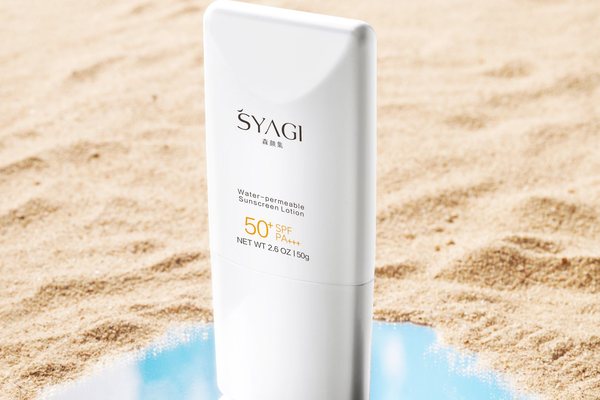
Shampoo without sulfates is our most visited rule, because it hides the category's best trap: sulfate-free cleansers that clean harder than sulfates. Sunscreen without oxybenzone is really a guide to mineral sunscreen — its application technique and its white-cast problem included. Deodorant without aluminium manages expectations as much as odour: no sweat blocking, a transition period, and the baking-soda sensitivity that ambushes switchers. Moisturiser without fragrance applies the strictest rule on the site — no parfum anywhere in the list — to three pharmacy staples. And baby wipes without alcohol shows why the headline claim is the least interesting check on that pack: preservatives and cloth material matter more.
The 'with' guides, one by one
Serums with vitamin C chooses by form — pure ascorbic acid versus a gentle derivative — because that decision predicts whether a beginner will still be using the serum in three months. Moisturisers with ceramides applies the mortar test: multiple named ceramides plus cholesterol and fatty acids, at three weights for three kinds of skin. More with-guides are in the publishing queue — readers' requests via the contact page set their order.
What a guide on this site will never do
Three promises, because they are the difference between this hub and most of the buying-guide internet. A guide here will never rank a product it cannot explain by its own stated rule — if a famous product fails the ingredient test, it is out, however clickable its name. It will never present a formulation as current when we have not checked it recently — the formulation-change note on every guide is a working instruction, not legal decoration. And it will never dress a preference up as a medical necessity: where the science behind a rule is genuinely contested (aluminium is the honest example), the guide says so on the record and helps you choose anyway. Rules you can audit, trade-offs in writing, sources one click away — that is the entire editorial product.
A short history of the shelf this hub replaces
Buying guides were not always like the modern internet version. Print magazines tested a dozen products in a lab and published scores once a season; the web replaced that with a thousand pages per product category, most of them assembled from retailer copy, star averages scraped from marketplaces, and "testing" that consisted of reading other guides. Readers adapted the only way available: they stopped trusting the middle of the page and started reading labels themselves — the exact behaviour in our reader research, where the same person will quote a guide's shortlist and then flip every bottle over to check it. This hub is built for that reader. The ingredient rule is the product-independent part; the picks are illustrations of the rule applied to today's shelf, dated and checkable; and the self-check sections assume you will outgrow the shortlist and shop alone, which is the point. If the guides industry had a motto it would be "trust us". This hub's is "here is the test — run it yourself". Everything else on the page exists to make that sentence true.
How reader requests shape this hub
The queue behind this hub is not a secret. Published guides began with the rules readers asked about most in the site's earlier life as a database — sulfate-free shampoo and oxybenzone-free sunscreen were its most-searched combinations by a wide margin, which is why they anchor the without side. The with side began with the two ingredients whose products generated the most "which one, though?" mail: vitamin C and ceramides. The pattern continues: every guide request sent through the contact page is logged against the ingredient it names, and when a rule gathers enough requests it becomes the next guide researched. If the combination you care about — a conditioner without silicones, a mascara without PFAS, a serum with niacinamide at an honest percentage — is missing from the shelf above, asking for it is not feedback. It is how this hub gets built.
Start anywhere
There is no required reading order in this hub. If a product is already in your hand, find the guide whose rule it claims and run the self-check on the spot. If you are rebuilding a routine from scratch — a common January and post-diagnosis project — work through the without guides first (they remove things, which is fast and free) and the with guides second (they add things, which should happen one considered product at a time). Either way, the shelf above is the whole map.
All guides in this hub
| Ingredient | In short |
|---|---|
| Shampoo Without Sulfates | Gentle cleansing without SLS/SLES — and how to spot the strong cleansers hiding behind the claim. |
| Sunscreen Without Oxybenzone | Mineral sunscreen buying guide: zinc oxide picks, application rules and the white-cast fixes. |
| Deodorant Without Aluminium | Odour control without sweat blocking: mechanisms, picks and the first-month transition. |
| Moisturiser Without Fragrance | Three pharmacy staples audited against the strictest rule on this site: no parfum anywhere. |
| Baby Wipes Without Alcohol | Wipes judged on preservatives, fragrance and cloth material — not just the alcohol claim. |
| Serums With Vitamin C | Chosen by form and packaging: ascorbic acid versus gentle derivatives, three honest picks. |
| Moisturisers With Ceramides | Barrier repair judged by the mortar test: named ceramides plus cholesterol and fatty acids. |
Guides in this hub

Frequently asked questions
How are products in these guides chosen?
By an ingredient rule applied to the product's published INCI list, plus availability and honest fit notes. There are no paid placements and no invented ratings. The full method is in the hub introduction above and our editorial policy.
Why are there no prices or star ratings?
Prices change constantly between retailers and countries, and star ratings we invented would be exactly the kind of fake precision this site exists to avoid. We describe what a product is and who it suits; your retailer shows you today's price.
Do formulations really change that often?
Often enough that every guide carries a check-the-label note. Brands reformulate quietly; an ingredient list from last year may not match this year's bottle. The rule in each guide is the durable part — apply it to whatever is on the shelf.
Can I request a guide?
Yes — reader requests shape the publishing queue. Contact us via the contact page with the product type and the ingredient rule you care about.